




Moderna’s Jennifer Steinke on unifying travel and meetings
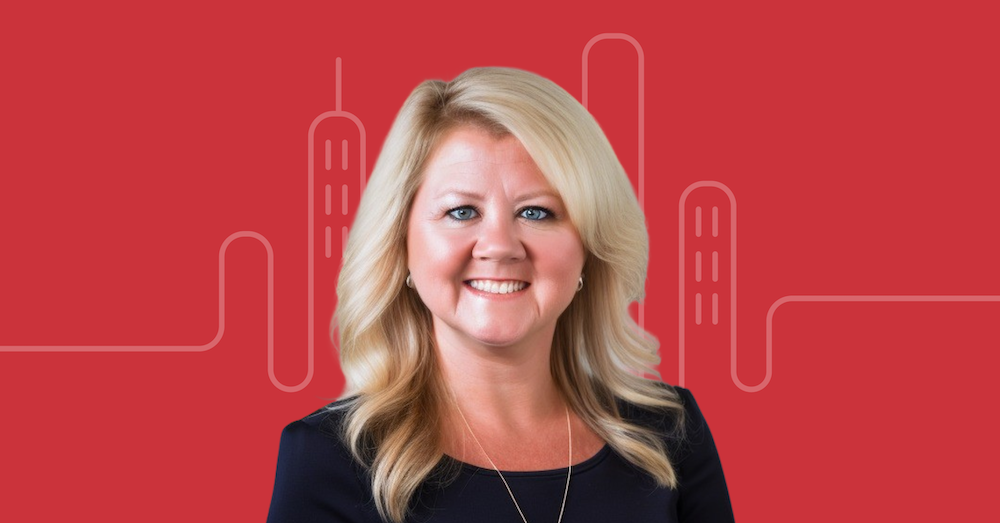
Guests: Jennifer Steinke, Director of Travel, Meetings and Fleet, Moderna
Host: Justin Schuster, SVP of Marketing, Spotnana
Length: 33:17
SVP of Marketing at Spotnana Justin Schuster spoke with Jennifer Steinke, Director of Travel, Meetings and Fleet at Moderna, about the value of managing travel alongside meetings, the AI-powered platform she built to better understand travel trends, and her push for faster innovation across the industry.
Justin Schuster: Welcome to the Travel Is a Human Emotion podcast. I’m very excited to share that my guest today is Jennifer Steinke. Jennifer is the Director of Travel, Meetings, and Fleet at Moderna. To kick things off, Jennifer, I wanted to ask if you could give a little bit of an overview of Moderna. We’re all very familiar with the name of the company from COVID, of course, but could you give us an overview of the company and tell us about the travel program?
Jennifer Steinke: Sure. Absolutely. First of all, Justin, thank you so much for having me. I really appreciate it. It’s great to have a nice, innovative conversation today, so thank you again for inviting me.
Justin Schuster: Our pleasure.
Jennifer Steinke: Moderna, as many know, really catapulted and grew out of COVID. We’ve got a lot of exciting products in our pipeline. I lead travel and meetings, and I now have expense and corporate card under my belt as well. I run a global program, so we’ve got a presence in the UK, EMEA, North America, South America, and APAC — twenty-something countries. We run it pretty globally, I would say. It’s fairly consolidated, and we’re probably running about thirty to fifty million dollars around the globe if we count meetings spend in there too.
Justin Schuster: Quite sizable.
Jennifer Steinke: Yes, it’s a good program. I came in to build it because there was nothing when I got here.
Justin Schuster: Wow. Okay.
Jennifer Steinke: That’s been exciting. Lots of progress over the four years that I’ve been here, and a lot more exciting things to come.
Justin Schuster: How wonderful that you got to build it from the ground up. I think that’s an exciting opportunity to have.
Jennifer Steinke: It’s kind of my thing. I don’t know — maybe because I like a challenge. That could be it.
Justin Schuster: I wanted to spend some time talking in particular about what it’s like to oversee both transient travel and meetings and events. I saw a recent statistic that BTN released — a survey they shared, I think at Business Travel Show Europe — that said 60.5 percent of the travel managers surveyed are now responsible for both travel and meetings, and that was up from fifty percent a year ago. So it seems as though there’s a growing trend here. What do you feel are the benefits of overseeing both transient travel and meetings and events?
Jennifer Steinke: For me, the number one benefit is the experience for the attendee. The meeting attendee and the traveler are the same people in many instances, right? And if it’s not consolidated, they’re very disparate processes that people have to go through. It can be convoluted: “Do I do this? How do I book that? Where’s my hotel?” All those things. When I got here, people were just kind of doing meetings on their own, and I had travel — but I own both categories, so I said, “All right, we have to actually build the processes and fix that.”
Some of the true benefits, besides what our travelers are experiencing, come from my ability to leverage my spend across both transient and meetings. When I’m speaking to hotels, I’m speaking holistically: “I give your brand or your property this amount of spend.” It’s not just transient versus meeting blocks. Our processes are much more streamlined. We’re able to control and understand that spend better and leverage the discounts that we have with our suppliers, and we’re able to provide really dynamic reporting on total costs for meetings.
A lot of times, people look at a meeting and say the meeting space and the food and beverage cost X, but the hotel rooms cost Y, and the bar spend cost this, and the airfare cost that. That true total cost of what a meeting is impacting from a financial perspective for a corporation is really important, and when we live in those two separate worlds, it’s really hard to get that. So if people are thinking about it, think about it through that lens: how do we really leverage and capture the spend that we’re doing within our meetings platform?
Justin Schuster: Do you find that it improves the negotiations you have with travel providers? Are you able to get benefits for the transient program by including the spend for meetings and events?
Jennifer Steinke: Absolutely. It’s obviously a conversation starter, where I can say, “Hey, this is the true value that we’re bringing to you as a vendor.” I know our air vendors want that group business. They want those targeted markets. They benefit from that, so they love those conversations. And we can look at it so much more holistically now that it influences the transient sourcing conversations. It also makes me question things: “This is our transient rate — our meeting sleeping room rate should be less than that when we’re guaranteeing and prepaying.”
So it really is a conversation starter, and that’s important, because if you don’t know, you can’t have intelligent conversations like that. If you come prepared to your vendors about what the spend looks like, they’re much more open to having those conversations.
Justin Schuster: Why do you think there’s a trend toward this more holistic oversight of both transient travel and meetings and events becoming consolidated within corporations and coming under the purview of the travel manager?
Jennifer Steinke: A lot of organizations, as they start to look at their overall G&A program costs, see those synergies, and they start to question, “Wait, why aren’t we doing this better?” And a lot of times, travel managers are probably more open to the conversation of partnering with the meeting planners than the opposite, right? So we actually have to be in there to sell that this is a really good thing. There’s a lot of selling that goes on, and a lot of storytelling about the benefits, because sometimes those worlds — especially if they live in a marketing environment or something — say, “No, stay away. Don’t come and get in my business.” Whereas if we have the right stories, and we can get the right sponsorships from the executive level, we can share: we can save more money, we can create a better experience, your attendees are going to have a better experience, and you’re going to have more information.
So there’s a lot of selling — you have to be prepared for that. But I think that’s why. Buyers are starting to say, “Hey, we see that there are synergies, and this is an area we should focus on.” And then, like anything in life or in work, when you’re the one that has the good idea, you’re the one that has to execute on it too. You’re like, “Oh, shoot, I shouldn’t have said that, because now I’ve got to do all this work.” So a lot of it is that we’re having the ideas and the ideation around what it would look like, and there’s obviously lots of talk in the industry about it, so people are becoming a little braver and saying, “Yeah, let’s do something about it. Let’s have the conversation.”
Justin Schuster: What do you feel are some of the challenges of bringing it together? It sounds like internal selling is one of the things that you have to put more effort into in order to drive alignment across a broader set of stakeholders.
Jennifer Steinke: Everything with travel and meetings is so personal, right? One of the challenges I’ve learned is people saying, “You know what? I don’t want your input on my meeting. I want the glory. I want the prestige that I planned this.” And I tell them, “I am not here to take away your glory. I’m here to spend your money wiser and make your meetings better, and this is how we’re going to do it — and we can do it together. And you’re going to benefit from that. You are going to look like the winner.”
The biggest challenge is probably just getting the buy-in from the stakeholders, because they feel like this is a representation of them and their work, and they don’t want that glory taken away. We’re not here to take it away; we’re here to make it better. That’s part of the storytelling that you have to do. And it’s very territorial, too — you have to think about that.
We’re also often faced with challenges around how to build those processes. Do you have the right technologies in place? Do you have executive sponsorship, potentially, for some investment that’s going to make that process seamless? Even if it all sits under travel and meetings as one umbrella, if people have to go over here to do this and over there to do that, does that really solve the problem? So it’s about the integration, the data, how you’re recording things. There are a lot of challenges that people have to be aware of and ready to plan for and execute on. That may take financial investment, it may take manpower and time, it may take IT help — so you have to plan accordingly.
Justin Schuster: That makes a ton of sense. Are there things that you’re doing to invest in technology for that area of the business? And what are some of the things that you’ve been able to achieve in this time that you’ve been building the program from the ground up?
Jennifer Steinke: I was lucky, because I knew I owned travel and meetings right from the beginning, which is different than coming in and saying, “Oh, we want to integrate.” So I’m lucky that I had that opportunity. I did a lot of research on what those platforms look like and what the process looks like, and immediately out of the gate I said, “We cannot do this without a good tech platform.” That was the first thing I procured. I worked with my marketing team, who were doing some things, and said, “Hey, can we partner on this? Because you’re going to have needs, and I’m going to have needs.” That was the entryway to the door, because they wanted the technology too, so that helped. That was a good point of entry for me.
We really had to focus on what it looks like today and how we can scale, because we were at a time of really great growth. How do we scale a product? Do we buy something that’s just for these needs today, or for the greater, broader needs that we’re going to have in the future? That’s really what we focused on. Then it was about integrating with our partners, like our travel management company partners. Now I’m working on lots of exciting things around travel and meetings, which hopefully we’ll get a chance to talk about — how do I use all the data that I’ve got at my fingertips to help our stakeholders and the people that want to plan meetings do it better, wiser, and smarter, with better data?
Justin Schuster: That’s great. So pulling all the data together has been helpful for negotiations, but now the next step is: how do we get insights from this data that help the upstream decision-making from a planning perspective?
Jennifer Steinke: Exactly. One of the things we learned was people had no idea how much meetings should cost. They would come in, they’d register their meeting in the technology, and they’re like, “Oh, we’ve got ten grand.” And I’m like, “You’re at a fifty grand meeting based on everything that you want to do. So you’re going to need to revise whatever that is — your ideas, your thoughts, your plans.” What I’d like to do is put that at the forefront: “I am planning a meeting, and here is what I want to do. Tell me what I should be budgeting for that.”
Justin Schuster: That makes total sense.
Jennifer Steinke: So we want to use the data smarter. I also want to use it to influence what the experience looks like. What do we know about the behaviors of our travelers when they’re engaging in these different meetings? How do they rank certain sessions? What did they like about this? If it’s a virtual meeting, what is their attention span? Being able to use the data to then influence how we interact with our attendees in the future — the world’s our oyster.
Justin Schuster: Fantastic. Is there any specific additional advice you’d offer to travel managers that are thinking about bringing this under their umbrella?
Jennifer Steinke: You’ve got to have tough skin, because it’s not going to be easy, so make sure you’re ready. But get your ducks in a row. Think about the technologies. Understand the landscape — what are they currently doing? One of the things — which is a blessing and a curse at the same time — is we did things right. We had overwhelming success, and not nearly the amount of resources that we need to execute, so we have a lot of work. I think in our first full year after we launched, we had over 360 events, and there were just two of us. Now, we didn’t touch every event 100 percent — that’s my point — but we had to touch every event at least once. Then we trimmed that back based on some economics, so we were probably at 180-something events last year, and we’re trending about that now. There are four events next week alone, and there are two of us. We have multiple personalities at this point.
There’s so much detail, so you have to know what you’re getting yourself into. And talk to those stakeholders. Figure out: What are they trying to accomplish? What is the ROI? What are they trying to do? How can you really partner with them? Those would be my words of advice. But don’t be scared, and ask the questions, because you’re never going to know unless you ask.
Justin Schuster: It sounds like you should be prepared for the resources you might need to support it as well. It’s good to understand the volume of meetings that are out there and make sure that you’ve got the capacity to take it on.
Jennifer Steinke: Yeah, and you can invest with third parties — that’s another way to do it. You can offset some of those costs by doing things like that if you can’t internalize all your resources. There are a lot of opportunities there. You’ve just got to find the right partners.
Justin Schuster: Shifting gears — you have been developing a platform that you call TAMI. Could you tell us more about what that is and what impact it’s having on the traveler experience?
Jennifer Steinke: Sure. It ties in nicely to what we were just talking about, because TAMI stands for Travel and Meetings Intelligence. It’s built and powered by AI, and it’s helping us bring everything about travel and meetings into one travel brain inside of TAMI. Right now, we’re focused on the travel booking piece of it — the data integration that helps create curated offers for our travelers. They’re very personalized — very much a “policy of one,” as I’ve coined and trademarked — because it’s really creating a unique offer based on the person, the trip, their preferences, and their history. We’re powering the AI to do that with all the historical data that we know and all the preferences that our travelers have.
The other piece is going to be around budgeting for trips, and how we create true trip budgets that we can then execute on, which gives us better insight into what we’re spending, why we’re spending it, and how much we should be spending. I’ll give you an example: you book your air in advance, you take your trip a month later, and you’ve already expensed your air. There are no ties between any of those things. So we really want to bring that holistic viewpoint to what we’re doing at a trip level from the travel side of things.
The meetings side is going to start with a meetings estimator, so someone can go in and ask TAMI, “How much should this meeting cost me?” And then there’s the integration between the meeting bookings and the travel piece, so they only have to go to one place to launch their meeting registration and their travel bookings. We follow that trip through its entire life cycle from booking and registering — for travel and meetings, or just travel, or maybe just meetings, because maybe you don’t have to travel for that meeting. Each of those becomes its own trip, so to speak, and then we can say this trip costs this, and that trip costs that. When you combine all of it, you get the holistic perspective on a meeting’s cost.
And also, what should things cost? We have contextualization built in. If I’m going Boston to Warsaw at any point in time, right now I only get to see the airfare that the booking tool or the travel agency gives me. But what should it actually cost? Because for Moderna, it only costs X on average. It’s about getting people to think smarter about the decisions that they’re making. So it really is, as I call it, a travel brain — everything in one place. You won’t have to go anywhere else in the future.
Justin Schuster: That’s extremely exciting. With a central source of intelligence, it sounds like there are a lot of applications for better decision-making, even all the way down to the traveler experience: what’s the model that’s informing the recommendations that I see as a traveler? It needs to be policy compliant, but if I’m going to be given a small set of recommendations, how do you make sure that those are ones I’m likely to select?
Jennifer Steinke: Yeah, and we value that personalization piece. I’ve taken my top ten suppliers: I value seats, I value bags, I value lounge passes. And I use that in the curated offer to say, “This is what is best for you.” It doesn’t have to be what the industry refers to as lowest logical airfare — I call it the least logical, because there’s nothing logical about it. You just toss that out the window. I’m now creating curated, actually logical offers that make the most sense for that person. It might look like it costs a little more upfront, but if you think about the life cycle of the trip and how that personalization influences it, then A, it’s a better experience for the traveler, and B, it’s a cost savings for the organization, because they don’t have to pay for this and they don’t have to pay for that — those things are included.
Justin Schuster: Yeah, that makes sense.
Jennifer Steinke: It’s exciting.
Justin Schuster: You are a passionate advocate for change in the travel industry in general, and you’re out there championing it. What are some of the changes that you would like to see? What do you feel are some of the opportunities that the industry should be focusing on from an improvement perspective?
Jennifer Steinke: In an effort not to offend anybody — but I’m just going to push the envelope, because anybody that knows me knows I would already say this to their face — we have got to stop living in this archaic world of how travel is managed. Technology is too old. Processes are too old. We are not moving at the pace that we can. When I can literally, today, order pens and Dramamine for a boat cruise that we’re planning for a meeting and have it at my hotel tomorrow, why are we still doing things in the travel space that are so archaic?
I have always been pushing the boundaries. I was talking about mobile before anyone was talking about mobile. I was talking about how we do payments better before anyone else. I just think to myself sometimes, “If you can think of it, Jennifer, someone smarter than you can build it.” I’m halfway intelligent, but I couldn’t do some of those things — someone else can. We have to break down what I consider the artificial barriers to the success of innovation in the travel and meetings space. Part of that’s technology, and part of it is just the commercial models of how this industry is paying each other.
Justin Schuster: Yep.
Jennifer Steinke: It’s not a straightforward model. Everybody’s got their hand in somebody else’s pocket from a revenue standpoint, and if we can start to break down those barriers, we can start to get people to move the dial on focusing on innovation, on service, and on the experience. That’s where I think the financial successes will start to look a lot different than they do now.
Justin Schuster: I agree with you. I think there’s a lot of evolution in the commercial model that’s slowly taking place, and with multi-sourcing content and improvements through AI and efficiencies that are out there, it’s interesting to see the direction that things are moving.
Jennifer Steinke: What we see is that people are using things like AI to create efficiencies. I would question why buyers aren’t saying, “Where am I getting my cut of the cost savings?”
Justin Schuster: Yep.
Jennifer Steinke: Costs are still going up, and the buyers are the ones that are always holding the bag. We’re the ones that are paying for those things. So when they use that to drive efficiencies — or even if it’s content, like if I’m going to go direct to an airline, I’m reducing your costs — what does that model then look like from a discount perspective, or a rebate, or a revenue share?
I think TMCs need to think about what their model is going to look like in the future and focus more on the servicing aspect — the high-touch stuff. The transactional stuff, AI is going to power a lot of that, and it’s not going to need a lot of hand-holding. So where do you really need that service? Maybe it’s more consultancy-type stuff. Maybe it’s C-suite. Maybe it’s disruption. I don’t know. I’m going to laugh — I’ve been doing this for forty years, and I started when I was ten — but my point is this: it’s still the same, right? It’s still technically the same as when I started. So I say it’s going to change, but then I wonder if I’ll be retired before I see it.
It’s interesting to think about where it’s going to go. I just want to be a driver of some of that. And I want more buyers — because we have the voice — to push more, have hard conversations, and drive innovation. When there are new startups coming into the world, take a risk. Try it. Help them grow so they don’t just get gobbled up by the competition, with their product eroded so you never hear from them again. We see so many amazing tech startups that have come into the industry, and they’re gone in a few years, because the competition doesn’t want them, so they buy them. They make a little bit of money, and then their product is dissolved, in essence. Which is sad to me, because some of the stuff has really been great.
Justin Schuster: I have seen examples of that, for sure. And I appreciate your call to action out to the buyers to take some risks, support the innovators that are out there, and give new things a try.
I know you’ve been very active out in the community in a variety of ways. You’ve been on the board of GBTA, and you were the first chairperson of TAMS, for example, and held that role for several years. What motivates you to get out there and give back to the industry? Is it this desire to keep pushing for change and help encourage other people to support the innovation that’s out there?
Jennifer Steinke: It’s really personal for me. When you can give back to others, it’s more rewarding than anything. I teach fundamentals for GBTA, and I see young people coming into the industry, or new people, and it inspires me to keep going. I’ve been doing this a long time. What keeps me motivated is being able to give back — being able to help people, whether it’s driving change in the industry, driving change in their program, or getting others to look at things differently and have an impact on some of those decisions. I had an impact when I was on the board of GBTA. It was really about the members: how do we, as an organization, give back to those members and drive the value they need in their membership? I think associations and organizations as a whole, in any industry, are important. They’re big voices, from an educational perspective and an advocacy perspective. And the more of them, the better.
TAMS got started during COVID. It was an idea that was posted on LinkedIn, and then we started doing committees. We had all this other stuff going on, and it was just a way to say, “Listen, we can look at things differently.” Now they do a lot of project work, where it can be a one-and-done: you can contribute to a project and then move on. You don’t have to have long-term commitments, but you can have impactful short-term commitments. That’s really important — being able to give back like that and have a voice. And not everyone’s comfortable doing that. People say, “Oh, get out there and be in the forefront,” and I’m like, “What do I have to lose? Let’s try it.”
Justin Schuster: Be the change you want to see in the world. That’s why you do it.
Jennifer Steinke: Yep.
Justin Schuster: You’re also on the advisory board for Business Travel Executive, and they had a summit recently that we got to participate in, and you were driving the content agenda for that, which was fantastic. I think it was a great improvement to have the buyers organizing the content for that event. What do you think are some of the things that are on the mind of the advisory board group? What do people want to see talked about in the travel industry?
Jennifer Steinke: It’s interesting, because that group specifically was just a crazy idea over a dinner with the editor of the magazine. I started writing for the magazine back in 2013, when I started my Fat Data series, and I’ve written up until very recently. Thirteen years of writing every month for a magazine — it’s a lot. But what I realized is that the buyers didn’t have as big a voice as they should when it comes to what they’re reading. The materials that they’re dependent on were being written by people that weren’t even in those roles. So I was talking to the editor, and I said, “Jerry, why don’t we come up with a think tank? I’ll chair it. Let’s get buyers — I’ll call my friends — and we’ll give back to you what we really think about the content.”
They will say that it has revolutionized the magazine, because we’ll go into calls and they’ll say, “Oh, these are our topics,” and we’ll say, “No, don’t write about that — no one cares about this,” or, “Change this tune,” or, “No, this is what’s really happening.” I feel like it’s evolved the content of the magazine in a way that’s been more valuable for the buyers. It’s not a news magazine — it stays on the shelf for a while. It’s got a long shelf life in terms of what you can do with that content. Having the buyers’ voices has been fun for all of us, and we have a lot of heated discussions and conversations. I tell people when they come on, “If you can’t stand an occasional swear word and a little bit of controversy, don’t join, because we’re just going to lay it out there like it is.” There are no holds barred. But it’s been really impactful, I think, for the magazine and for the industry to have the buyers have that voice.
That’s really what stemmed and drove the BTE Summit last year. I was tasked with making it very, very buyer-centric. I don’t want to just sit and listen to people preach at me all the time — I want it to be really engaging. If you talk to Ruben, he will tell you it was pretty controversial at times. We were raising the bar, saying, “You know what? You can say whatever you want here. This is an open forum.” And we questioned, and we challenged. The feedback that we got from that event was incredible, and I’m really looking forward to next January’s event. Same place — Cape Coral.
Justin Schuster: Excellent.
Jennifer Steinke: Just a shameless plug: it’s the weekend of the 14th, 15th, and 16th of January next year. Same thing — it’s going to be super interactive and buyer-centric, which I think is great for the suppliers. You want to be there to hear what buyers are really thinking and understand what their challenges are, and then figure out how you can adapt to those and learn from them. That’s how we build better, trustworthy partnerships, and I think that’s what the industry is yearning for. I think we have a little bit of a lack of trust right now — I hear about it a lot.
Justin Schuster: Yeah.
Jennifer Steinke: So how do we build back that trust? We can only do that with really good, open, honest conversation. I’m excited for that.
Justin Schuster: Me too. I think the best events that I’ve been to have been the ones where the buyers are really encouraged to have a voice in the room and help drive the agenda for what’s being discussed. I’ve had some great conversations with Jerry, and he’s very excited about the editorial advisory committee and grateful for all the participation and the opportunity to work with you all on that.
Jennifer Steinke: Yeah, it’s lots of fun. Any buyers that want to be involved, just let me know.
Justin Schuster: Jennifer, just to wrap things up: this is the Travel Is a Human Emotion podcast, and we always ask people for their reflection on the connection between travel and human emotions.
Jennifer Steinke: This is a little bit more generic, but it gets down to business also. I think people that travel the world are probably some of the most intelligent people in the world. When you have those experiences — whether it’s a business trip or a personal trip — you’re making connections with your colleagues or with others that you meet along the way, and that changes your perspective on life. The more we can look at life through other people’s lenses and understand that we’re not just in our own little myopic world, the better people we are — and then we are better employees, and we are better travelers, and we can make an impact for our organizations, for the ROI behind the reasons that we travel, and for our children and our children’s children.
There’s nothing that I think can truly change how you look at life until you look at it from some other world or some other location. So I always go back to the experience: What are my travelers experiencing? What are they bringing to the table, and how am I making it better? That’s all that matters.
Justin Schuster: Thank you so much. I really enjoyed our conversation today. I appreciate you being here.
Jennifer Steinke: This was awesome. Thank you so much — happy to help anytime. Thanks for inviting me. This was fantastic. And everybody: push the envelope, ask the questions, and don’t be afraid to take a chance.
Justin Schuster: I love it. Thank you.
Jennifer Steinke: All right. Thanks, Justin.