




What is attribute-based shopping in travel?


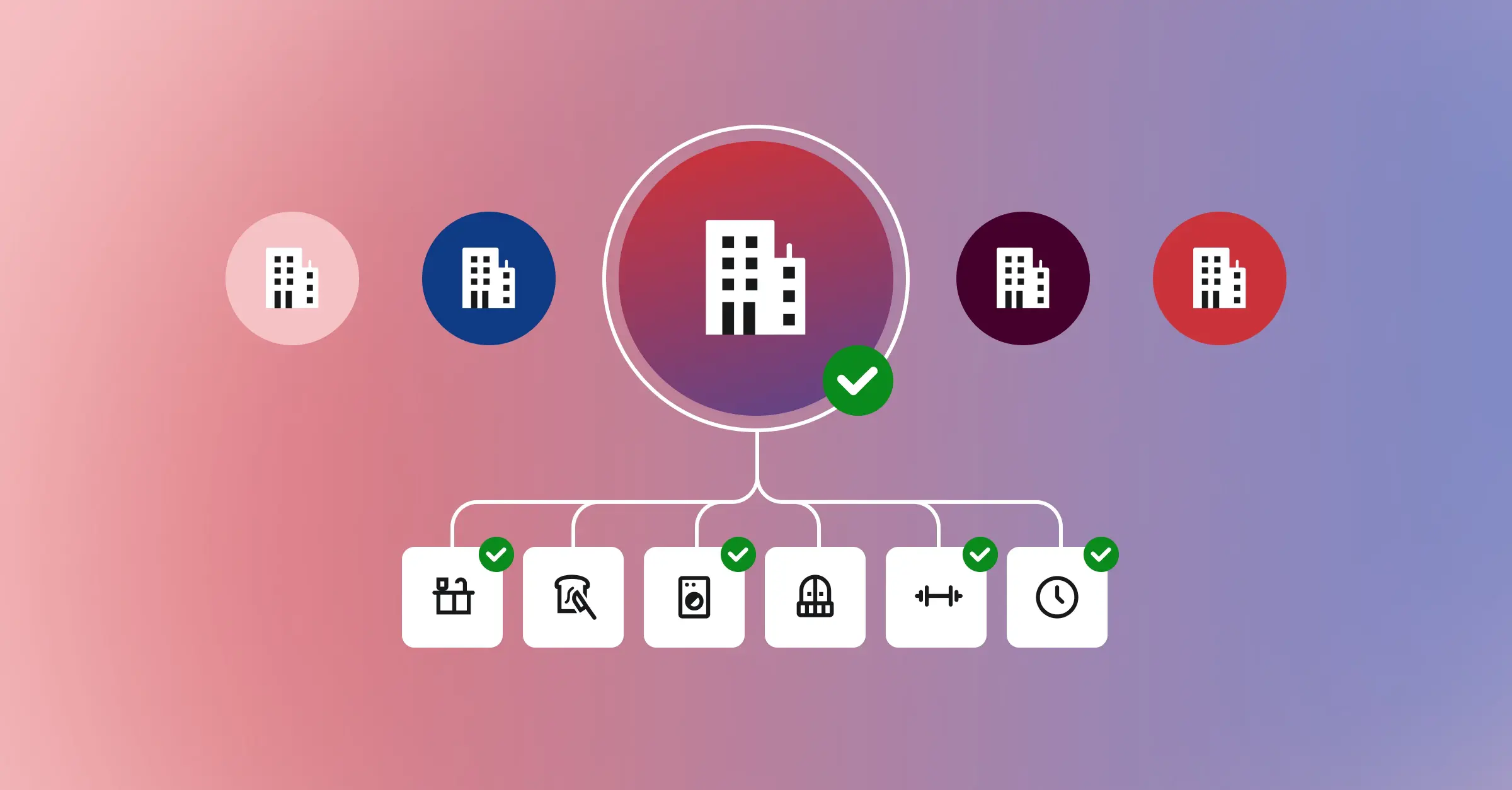
For travelers, it’s a familiar experience to shop for a flight or a hotel room based on standard categories, such as a standard room with a king bed or a refundable economy-class air ticket.
The hotel and airline industries are starting to transition to a new retailing model called attribute-based shopping (ABS), where travelers can select a base offer and then choose the additional elements they want to add to tailor their experience.
As attribute-based shopping becomes a more common experience on hotel and airline websites, travelers will expect a similar experience to be available when they book through a corporate booking tool or other indirect channel.
What is attribute-based shopping?
Attribute-based shopping lets travelers select individual, bookable travel features rather than choosing from a limited set of pre-packaged room types or fare classes.
A traveler can start with a base product, such as a flight or a hotel stay, and then add the specific attributes that matter to them: a high floor, early check-in, extra leg room, or lounge access. The traveler then builds a custom price from chosen components, and those selections are fulfilled without requiring a separate request.
With attribute-based shopping, a traveler can also search for travel options focused on the attributes they desire, such as a flight with Starlink WiFi service or a four-star hotel with parking and a room with an ocean view. As conversational AI booking experiences become more widely adopted, it will become more common for travelers to use natural language to include attributes in their search requests.
Airlines and hotels are both taking steps to support attribute-based shopping.
Airlines unbundled first
Airlines historically packaged their products using 26 fare classes tied to a letter of the alphabet that bundle seats, bags, meals, change flexibility, and boarding priority into a single price. This constraint comes from the first generation of airline retailing systems, because computers and data networks were far more limited than they are today.
Over the past two decades, airlines have broken this model apart by selling individual ancillary services (checked bags, seat assignments, priority boarding, etc.) separately from the base fare.
Advances in airline technology are continuing to make the process of shopping for airline products more flexible. NDC (New Distribution Capability) APIs allow fares to be presented at any price point and support the purchase of ancillary products. As airlines transition to Offer Order systems more granular product catalogs and flexible bundling options are expected to become available. ATPCO’s Modern Airline Retailing Attributes also provide a data and standards layer that powers attribute-based comparison shopping across airline sales channels.
Spotnana has built direct integrations with a growing number of airlines and is at the forefront of supporting advances in travel retailing, shopping, and servicing. Capabilities such as continuous pricing, NDC-exclusive fares, personalized offers based on loyalty status, ancillary purchases, and custom bundles are available today.
Hotels are following the same path
Hotels are following the same trajectory as airlines roughly a decade later. Properties have historically sold a limited set of bundles with standard room types (king, queen, standard, deluxe) and layered rate plans on top for things like breakfast or cancellation terms.
ABS unbundles hotel products into two kinds of attributes:
- Hard attributes are physical features tied to a specific room, such as floor, view, or bed type.
- Soft attributes are sold independent of the specific room assigned, such as early check-in, lounge access, dining credits, or Wi-Fi.
Hotel products can also be stay-dependent or non-stay-dependent. Late checkout requires a room booking, but a spa treatment, meal, or a meeting room does not, which means hotels can sell to customers who are not staying on property.
Spotnana has completed a deep direct integration with Marriott’s central reservation system. The integration delivers real-time pricing and inventory, verified Marriott Bonvoy loyalty linking, two-way reservation synchronization, and access to nearly 10,000 Marriott-branded properties, with corporate and TMC negotiated rates flowing through.
Travelers see the same rates, room details, and member benefits inside their managed program that they would find booking direct. Accurate attribute data is essential for travelers to be able to search in Spotnana for properties with specific amenities through a conversational AI user interface.
Spotnana has also completed a direct integration with Travelodge, a hotel chain based in the UK, and travelers can purchase ancillary services including early check-in, late check out, and WiFi during the booking experience.
As more direct integrations become available and mature over time, travelers will have a growing set of ancillary services they can purchase through a richer attribute-based shopping experience.
Why the legacy model is transitioning
The end goal of attribute-based shopping is for travel providers like airlines and hotels to be able to provide flexible options that match what travelers value and are willing to pay for. This allows airlines and hotels to maximize revenue, loyalty, and customer satisfaction.
In addition, when airlines and hotels build better retailing experiences into their APIs, they drive additional purchases through this channel that lowers distribution costs.
What this means for the travel ecosystem
For corporate travel managers, leakage is a significant challenge, especially when it comes to booking hotel rooms. Research from Spotnana and GBTA found that hotel leakage is the same or growing for 82% of travel managers, and better pricing and loyalty benefits outside the booking tool are a leading cause.
Leisure travel services also miss out on sales when they are unable to provide the same product details or loyalty benefits as a travel provider website.
Over time these challenges will likely become worse if the shopping experience in indirect channels does not keep pace with what travelers can experience when they shop directly with an airline or a hotel.
Corporate travel programs and leisure travel sellers should evaluate whether their technology partners are architected to support direct integrations with travel providers and can close that gap.
Spotnana’s Travel-as-a-Service platform is built to support this transition for travelers, travel sellers, and travel providers. To learn more about how Spotnana supports the transition to attribute-based shopping, check out a white paper on how attribute-based shopping can transform your travel program or request a demo today.
Written by

-
 Automating credit name changesOne of the most significant pain points for travel managers and TMCs alike is the complexity of managing unused ticket credits. When plans change, value shouldn't be lost. Currently, 96% of unused credits are...


-
 Q&A: How Solutions Travel is scaling global travel on SpotnanaFor years, multinational travel programs have been assembled from a patchwork of regional providers, each with its own technology, servicing model, and data. The result for travel managers has been fragmented content, inconsistent service...